Independent sleep disorder clinics are now the fastest growing segment in the U.S. market, with growth above 6% a year, so many patients are asking whether they should choose a hospital-based sleep center or an independent lab for testing in 2026.
Key Takeaways
| Question | Short Answer |
|---|---|
| 1. What is the main difference between hospital-based and independent sleep centers? | Hospital-based centers are attached to a hospital system, often with direct access to multiple specialties. Independent centers are freestanding clinics that may offer more flexible scheduling and homelike environments. You can browse examples of both in cities like Los Angeles and the broader California directory. |
| 2. Which type is usually more affordable? | In-lab studies, often in hospitals, can average around $3,000, while home sleep testing coordinated by independent or hybrid centers may run about $150–$300. Cost varies by insurance and region, so it helps to compare options in areas like Houston or Chicago. |
| 3. Are independent sleep centers as safe and accurate as hospital centers? | Yes, when they are accredited and staffed by qualified sleep specialists. AASM accreditation, which you can search by state at the AASM sleep center locator, is a key quality marker for both settings. |
| 4. Which is better for complex medical conditions? | Patients with serious heart, lung, or neurologic disease often benefit from hospital-based programs, for example large academic centers like Stanford Sleep Medicine Center or Cleveland Clinic Sleep Disorders Center. |
| 5. How do I find options near me? | Use national directories such as the Sleep Foundation’s sleep clinic guide, then compare those listings with location based pages on SleepClinics.info like New York City or Phoenix. |
| 6. Do both types follow the same standards? | Yes, when they pursue AASM accreditation and align with current 2026 standards. There are over 2,300 accredited U.S. centers, covering both hospital-based and independent labs. |
What Counts as a Hospital-Based vs Independent Sleep Research Center?
When we talk about hospital-based sleep centers, we mean labs that are owned and operated by a hospital or large health system, often on the main campus or in an affiliated outpatient building.
Independent centers are freestanding facilities that focus on sleep medicine, sometimes linked to pulmonary or neurology groups, and they may partner with, but are not owned by, a hospital.
Typical Features of Hospital-Based Sleep Centers
Hospital-based centers usually share electronic medical records with your other specialists, which can streamline communication about heart, lung, or neurologic issues.
They often run formal research programs and clinical trials, so patients may be able to participate in new device or therapy studies.
Typical Features of Independent Sleep Centers
Independent centers may offer more flexible hours, shorter wait times, and a more home-like environment for overnight studies.
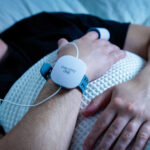
Many now also coordinate home sleep apnea testing, which in 2026 continues to expand as a first-line option for uncomplicated obstructive sleep apnea.


How Care Quality Compares Between Hospital and Independent Labs
In 2026, the single best predictor of quality at a sleep center is accreditation status, not whether the lab sits inside a hospital or in a medical office building.
There are now more than 2,300 AASM accredited centers across the United States, and this accreditation applies to both hospital-based and independent clinics.
The Role of AASM Accreditation
AASM accreditation reviews staffing, protocols, scoring standards, and patient safety practices so that your overnight study or home test is performed consistently.
The AASM’s sleep centers by state tool lets you verify whether a lab meets these standards before you schedule a study.
Evidence on Data Quality Across Settings
Research has found that key sleep measures such as sleep stages and apnea severity do not significantly differ between hospital-based labs and hotel-style labs for many patients with suspected obstructive sleep apnea.
That means a well run independent lab can provide data that is just as reliable as a hospital lab, as long as both follow modern scoring and quality protocols.


Costs in 2026: Hospital Sleep Studies vs Independent and Home Testing
Cost is a major reason patients compare hospital-based and independent centers in 2026, especially as deductibles remain high for many insurance plans.
In-lab polysomnography can cost about $3,000 on average, while home sleep testing often falls in the $150 to $300 range when arranged through a clinic or online program.
Why Hospital-Based Studies Can Cost More
Hospital-based centers typically bill through the hospital’s system, which can carry higher facility fees, but also may offer financial assistance programs for qualifying patients.
Complex cases that require continuous nurse monitoring or additional medical support are more likely to be sent to these settings, which also raises average costs.
Cost Structure at Independent Centers
Independent labs may offer package pricing or cash rates for home sleep apnea testing, which can make evaluation more accessible for uninsured or underinsured patients.
In 2026, many independent centers also partner with telemedicine sleep physicians, which can reduce the number of in person visits needed before and after testing.

This infographic contrasts hospital-based and independent sleep research centers, highlighting key differences and typical services.
Patient Experience and Comfort Across Settings
Many people worry about whether they will actually sleep during a lab study, so the environment matters when choosing between hospital and independent centers.
Hospital-based labs are often modeled after standard patient rooms, while independent labs may look more like a small hotel or bedroom suite.
Noise, Privacy, and “Quiet at Night”
Hospital campuses can be noisier, with overhead announcements, hallway traffic, and nearby clinical units that operate all night.
Independent labs may have fewer environmental disruptions, although quality independent centers still maintain medical grade monitoring and safety systems.
How Room Design Affects Sleep
Studies in hospital settings show that single occupancy rooms are associated with better sleep than shared rooms, and many modern sleep labs, in hospitals and in the community, use private rooms only.
When you call a center, it is reasonable to ask whether the rooms are private, how noise is managed, and what their typical patient experience feedback looks like.


Access, Wait Times, and Scheduling in 2026
Access can look very different between a large hospital system and a nimble independent clinic, and this often influences which option patients choose first.
Our directory data across regions like New York State and North Carolina shows a mix of both models, which helps patients find an option with acceptable wait times.
Referrals and Insurance Pathways
Hospital-based centers may require a formal referral from a primary care doctor or specialist in the same system, which can add steps before scheduling.
Independent centers sometimes accept self referrals for evaluations, especially when they also offer home sleep testing programs with virtual visits.
Appointment Flexibility
Because independent centers are smaller, they may be able to offer earlier evening start times, weekend studies, or rapid add on slots for urgent cases.
Hospital centers often have more total beds, which can help in high demand regions, but scheduling is usually tied into the hospital’s broader scheduling system.

Medical Complexity: When a Hospital-Based Center Makes Sense
Some patients are safer and better served in hospital-based sleep programs, particularly those with serious or unstable medical problems.
If you have advanced heart failure, complex lung disease, neuromuscular disorders, or a history of dangerous arrhythmias, a hospital lab with rapid access to intensive care resources is often recommended.
Integrated Specialty Care
Hospital-based centers at institutions like Cleveland Clinic are embedded in larger teams that include cardiology, pulmonology, neurology, and behavioral sleep medicine.
This allows complex treatment plans, such as adaptive servo ventilation or evaluation for hypoventilation syndromes, to be coordinated in one system.
Inpatient and Research Needs
Patients who are already hospitalized sometimes undergo sleep monitoring on hospital wards or in dedicated labs as part of a broader evaluation.
In addition, hospital-based academic centers frequently lead research on narcolepsy, REM behavior disorder, or advanced insomnia treatments that require careful monitoring.


When Independent Sleep Centers Are a Strong First Choice
For many adults with suspected uncomplicated obstructive sleep apnea, an accredited independent lab or hybrid program can provide efficient, evidence based care.
These centers are common in metropolitan areas like San Francisco Bay Area and Arizona, often under names that include “sleep solutions” or “pulmonary and sleep.”
Streamlined Home Sleep Testing
Independent centers frequently lead in offering home sleep apnea testing where appropriate, since they are not constrained by hospital device purchasing cycles.
In 2026, this means faster evaluation for snoring, witnessed apneas, or daytime sleepiness, followed by telehealth review and rapid CPAP setup when indicated.
Follow Up and Coaching
Because many independent centers are smaller, teams can focus heavily on mask fitting, troubleshooting, and behavioral strategies that keep you using your treatment.
That kind of coaching is crucial because CPAP effectiveness depends on nightly use, and more personalized follow up can make a real difference.

How Research and Innovation Differ Across Center Types
When we compare hospital-based and independent centers, another key question is where new research and clinical trials are most likely to happen.
Large academic hospital centers, such as the Stanford Sleep Medicine Center, often run studies on new devices, medications, or behavioral treatments for insomnia and hypersomnia.
Hospital-Based Research Programs
These programs may test new CPAP alternatives, novel medications for narcolepsy, or protocols to improve hospital ward sleep for inpatients.
Patients who want access to experimental therapies or to contribute to research on rare sleep disorders often look first at hospital-affiliated research centers.
Independent Center Innovation
Independent centers tend to innovate in logistics, patient experience, and remote care, including creative models for home testing and telehealth follow up.
In 2026, many independent centers also partner with device manufacturers to trial new wearable sensors and home monitoring technologies under real world conditions.

Regional Examples: Hospital vs Independent Options in Major U.S. Cities
Choosing between hospital-based and independent centers is easier when you can see what is actually available in your city or state.
On SleepClinics.info, we list both types side by side in metro pages like Chicago, Atlanta, Texas, and beyond.
Hospital-Affiliated Listings
In Los Angeles, for example, patients can find major hospital-based programs such as the UCLA Sleep Disorders Center and Cedars-Sinai affiliated labs on the Los Angeles sleep clinics page.
In New York City, academic centers like Mount Sinai and NYU Langone appear alongside community labs, giving patients multiple accredited choices.
Independent and Community-Based Listings
Independent labs also appear prominently in our California and Bay Area pages, including community practices that focus on both pulmonary and sleep medicine.
In regions like Phoenix and Atlanta, independent centers provide convenient access for suburban communities that may be far from large teaching hospitals.
Step‑By‑Step: How To Decide Which Type Of Center Is Right For You
To help you compare hospital-based and independent options clearly, it can be useful to walk through a simple decision process before you schedule a study.
Below is a practical checklist you can use with your clinician and your insurance plan in 2026.
1. Clarify Your Medical Situation
- If you have complex heart, lung, neuromuscular, or neurologic disease, prioritize a hospital-based or academic center.
- If your main issue is snoring, witnessed apneas, or mild daytime sleepiness without major comorbidities, an independent accredited center with home testing may be appropriate.
2. Check Accreditation and Insurance
- Use AASM’s state directory and our state pages like Florida to confirm accreditation and in network status.
- Ask the billing office for typical out of pocket estimates for in lab and home testing.
3. Compare Practical Factors
- Consider driving distance, parking, and whether an overnight caregiver is needed.
- Ask about wait times, evening or weekend slots, and follow up support for CPAP or other therapies.
Conclusion
In 2026, the choice between a hospital-based and an independent sleep research center is less about which model is “better” and more about which option fits your medical needs, budget, and preferences.
Accreditation, clinical expertise, safety, and follow up support matter more than the sign on the building, and our goal at SleepClinics.info is to help you compare those factors clearly in your area.
If you live with complex medical conditions, live far from a major city, or feel unsure which setting is safest, discuss options openly with your primary clinician or a board certified sleep specialist.
Once you have a plan, use our national and city pages to locate accredited centers near you, so you can move from worrying about your sleep to receiving evidence based care that fits your life.
SleepClinics.info – Your trusted directory for finding accredited sleep disorder treatment centers across the United States.
========================================